Astral Ascent vs Skul: spell rotations, skull swaps and co-op
Start with Astral Ascent if you want to build spells and added effects around a hero. Start with Skul: The Hero Slayer if you want discoveries during a run to change how you attack. Astral Ascent is the direct choice here for two people sharing a screen. This comparison covers the core PC games; recommendations are editorial judgments about mechanics, not a difficulty ranking from side-by-side playtests.
What do you want to manage during a fight?
Astral Ascent connects basic attacks to spellcasting: attacks replenish mana, and you normally use all four equipped spells before that set becomes available again. A new spell therefore needs more than impressive damage. Consider whether its range and casting rhythm fit the positions you take throughout the rotation.
Skul lets you carry up to two skulls, with different attack ranges, speeds, power and abilities. You assess how the current form approaches an enemy, then whether swapping calls for staying close or backing away. It is a stronger fit if finding a new moveset and adapting to it sounds like the reward.
Ask which action a new option changes
Suppose you have been fighting at close range and find an option better suited to distance. In Astral Ascent, ask whether adding it to the rotation would repeatedly put you somewhere awkward. In Skul, ask whether the new skull covers a distance your other form handles poorly. These are examples of checking fit, not prescribed optimal combinations.
Watch ordinary footage immediately before and after a spell replacement or skull swap, paying attention to movement. That tells you more about what you will need to learn than an endgame screen full of damage. Both games demand reactions; neither offers the pace of planning every action while combat waits.
Choose by what you enjoy
| Game | Choose it for | Consider before choosing |
|---|---|---|
| Astral Ascent | Keep a hero familiar while changing the spell setup | Accept a rotation rather than repeatedly casting only a favourite spell |
| Skul the Hero Slayer | Try different attack styles by switching between two skulls | A new skull also means reassessing range and timing |
Astral Ascent
Keep a hero familiar while changing the spell setup
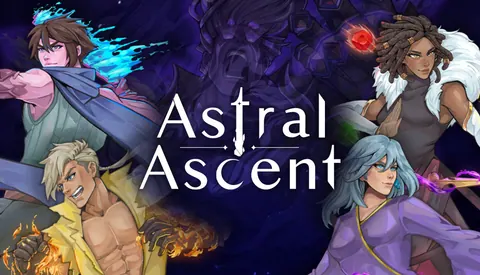
Astral Ascent gives its heroes distinct ways to fight, then varies their runs through spells and upgrades. Its developer also describes a story revealed through repeated attempts and growth over time. Our recommendation is for players who want to learn a hero and then experiment with combinations.
Two-player local co-op is officially supported. Steam Remote Play Together can share that local session with a distant friend, using streaming rather than a separate native online lobby. Separately sold characters and expansions are not prerequisites for this recommendation; versions and multiplayer experiences should not be assumed identical across platforms.
Skul the Hero Slayer
Try different attack styles by switching between two skulls

A skull changes the way you fight, beyond adding a number to an existing attack. Skul suits players willing to reconsider damage and equipment combinations around the forms they find. If using the same moves every run is important to you, consider whether that uncertainty is appealing.
We recommend Skul here as a single-player game. It also has progression between attempts, but that does not replace learning enemies and avoiding attacks. Compare the changes in combat you enjoy, rather than expecting one upgrade to make every stage reliably easy.
Choose what you want to learn
Choose Astral Ascent to learn a hero and refine a whole spell rotation; choose Skul to let skull discoveries reshape your fighting style. Then check co-op needs, the edition you are buying and extra content against the actions you actually want to practise.
Frequently asked questions
Which is better for a beginner?
Pixel art and permanent progression cannot answer that alone. Watch an ordinary fight: is mana and a spell rotation easier for you to follow, or the ranges of two different skulls? We do not combine different versions, characters and upgrade levels into a single difficulty ranking.
Do both games support two-player co-op?
The PC listings checked for this guide offer local two-player co-op and Steam Remote Play Together for Astral Ascent. Skul is single-player. For remote sessions, check platform support and streaming conditions first.
Sources and scope
Based on the sources below, checked on the dates shown; recommendations about fit are editorial judgments, not a hands-on play report or a difficulty measurement. This guide covers the named games, not their sequels. See each game page for review evidence.
- Hibernian Workshop — Astral Ascent ↗Checked
- Hibernian Workshop — Astral Ascent (official website) ↗Checked
- Mitch Vogel / Nintendo Life — Astral Ascent Review (Switch eShop) ↗Checked
- Stephen Tailby / Push Square — Astral Ascent Review (PS5) ↗Checked
- SOUTHPAW GAMES / NEOWIZ — Skul: The Hero Slayer ↗Checked
- Luke Shaw / TheSixthAxis — Skul: The Hero Slayer Review ↗Checked