Darkest Dungeon vs Darkest Dungeon 2: the Hamlet, expeditions and Kingdoms
Start with Darkest Dungeon if recruiting, resting and developing a roster alongside a town sounds appealing. Look at Darkest Dungeon 2's Confessions mode if you prefer assembling four heroes and adapting during a road expedition. The sequel also has a separate Kingdoms campaign now, so describing it as having no lasting roster management is outdated. This comparison covers core PC play, without paid DLC, mods or ending spoilers.
Would you rather manage a town or lead an expedition?
The original links outings to returns home: recruit and train heroes, explore, then arrange recovery for stressed survivors. Winning the next battle is only part of the job. Who goes out next, and should your resources fund development or recovery? Town upgrades persist while heroes can die permanently. Those different kinds of permanence create the management pressure.
Confessions centers on four heroes and a stagecoach, with route choices, supplies and preparations at inns. The Altar of Hope provides unlocks and improvements across expeditions, so failure does not erase all progress. The distinction is where decisions concentrate: you spend more time addressing the traveling party's weaknesses than rotating a town's entire expedition roster before every outing.
Why might you enjoy only one of these turn-based games?
Both ask you to consider formation, skill positions and stress. An impressive damage number says little about whether you will enjoy the whole loop. The original carries combat wear back to the Hamlet; the sequel connects tactical choices to party condition through tokens and relationships. Learning those tokens takes attention, and turn-based combat does not make outcomes entirely controllable.
Try watching what happens immediately after an ordinary fight. If you want to decide who rests and who receives training, the original's town layer may suit you. If you want to assess this party's needs and choose its next road, investigate Confessions first. This is a preference check, not a difficulty ranking or a promise that the sequel takes less time.
Kingdoms changes the buying decision
Kingdoms is a playable, separate strategic campaign in the sequel: maintain a persistent hero roster, gather resources and confront invading factions. Its progress is tracked separately from Confessions, and you can switch between active sessions of the two modes. Players interested in ongoing roster management have a reason to reconsider the sequel beyond its launch-era expedition reviews.
A persistent roster does not mean the first game's Hamlet has been copied into the sequel. These campaigns have different structures and objectives. If Kingdoms is your main reason to buy, watch recent footage explicitly labeled for that mode, concentrating on roster and map decisions. A standard Confessions run cannot answer those questions for it.
Choose by what you enjoy
| Game | Choose it for | Consider before choosing |
|---|---|---|
| Darkest Dungeon | For players who enjoy planning deployments, rotation and recovery over time | Hero losses and repeated preparation can feel burdensome |
| Darkest Dungeon 2 | For players interested in expedition planning, with Kingdoms as another option | Identify whether Confessions or Kingdoms is driving your interest |
Darkest Dungeon
For players who enjoy planning deployments, rotation and recovery over time
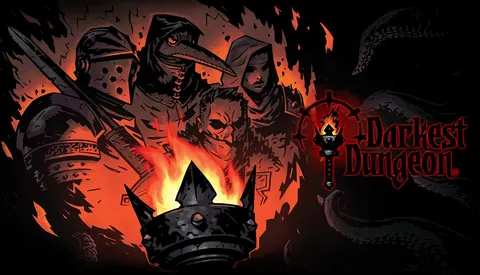
The original suits players who consider deciding whom to send and how to restore them part of the fun. You may make meaningful decisions without entering a dungeon. If you mainly want to move directly from fight to fight, organizing the next outing could become friction rather than a reward.
Before buying, watch a sequence that includes preparation, exploration and a return home. Consider whether you want to invest in heroes you might lose. A developing town does not make those losses trivial; equally, a damaged party does not automatically mean the entire save must start again.
Darkest Dungeon 2
For players interested in expedition planning, with Kingdoms as another option
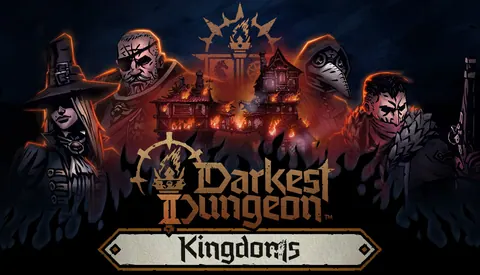
Confessions suits building around one party and adjusting as road encounters unfold. Relationships and inn preparation mean readiness for the next fight involves more than health. Be comfortable with travel decisions and repeated attempts being substantial parts of the experience.
If the sequel's battles appeal but you worry about limited ongoing management, inspect Kingdoms before deciding. It broadens the sequel's appeal without guaranteeing that every mode will suit you. Choosing a loop you want to repeat is more useful than asking which numbered entry is simply better.
Let the decisions between battles settle the choice
Investigate the original for training, rotation and recovery at home; Confessions for adapting a traveling party; and Kingdoms for the sequel's combat alongside a persistent roster. Check what is included for the mode you actually want, rather than buying a full DLC bundle for extras you have not yet understood.
Frequently asked questions
Is the original the only option for long-term roster management?
No. Kingdoms offers a persistent roster within its own campaign. The original retains its distinct cycle of town management and repeated outings. Compare the actual decisions instead of treating lasting progression as exclusive to one game.
Which one is better for beginners?
Being newer or turn-based is not evidence of being easier. Decide whether you would rather learn recovery and rotation at the Hamlet, or routes, tokens and relationships during expeditions. If hero losses, stress and adapting after failure all sound unpleasant, watch ordinary play before committing to either.
Sources and scope
Based on the sources below, checked on the dates shown; recommendations about fit are editorial judgments, not a hands-on play report or a difficulty measurement. This guide covers the named games, not their sequels. See each game page for review evidence.