Dice roguelikes: choose equipment puzzles, a party, or a dice pool
Want a turn-based roguelike where rolling dice creates decisions? Start with what you want to do with the result. Dicey Dungeons asks where to spend your numbers; Slice & Dice asks how a party can use its available actions; Astrea asks what risks belong in your dice pool. These are three distinct starting points, not a difficulty ranking. This guide covers the PC games’ core play, with recommendations based on the official mechanics.
Choose the decision you want to repeat
Look first at Dicey Dungeons if matching numbers to equipment sounds appealing. Look at Slice & Dice if coordinating several heroes is the attraction. Choose Astrea if you want to shape the dice themselves and weigh harmful outcomes against stronger effects.
A die does not always mean a number from one to six that you spend on an attack. In Slice & Dice, each hero has a die representing their actions. In Astrea, the faces are effects in a pool you build. That distinction matters more for choosing a game than the shared dice theme.
Ask what remains under your control
Watch one ordinary early battle, including the choices between fights. Can you change how a roll is used, decide which dice to reroll, or improve future outcomes through your build? Look for the decision that interests you even when the roll is disappointing.
More ways to manage a result do not remove randomness. Nor does turn-based play make a game automatically relaxing: reading effects and revising a plan can still demand attention. Our recommendation is to choose the kind of uncertainty you enjoy working with, rather than assume one game offers guaranteed solutions.
Choose by what you enjoy
| Game | Choose it for | Consider before choosing |
|---|---|---|
| Dicey Dungeons | Allocating numbers to equipment and learning different characters | Character and episode rules can change the habits that worked before |
| Slice and Dice | Coordinating a five-hero party through small tactical problems | Several heroes mean several competing uses for a turn |
| Astrea: Six-Sided Oracles | Building a dice pool and balancing benefits against harmful effects | You need to read targets and consequences, not just bigger numbers |
Dicey Dungeons
Allocating numbers to equipment and learning different characters

Dicey Dungeons combines equipment with dice requirements. An item may accept certain values or odd/even results, so the useful question is which available die belongs where. Its six characters change how you acquire or use resources; learning one does not explain all the others.
For a buying check, watch what happens when the player gets an inconvenient roll. If finding another use for those numbers looks satisfying, this is a strong starting point. If you dislike having a useful item that the current roll cannot activate, the cheerful presentation will not remove that friction.
Slice and Dice
Coordinating a five-hero party through small tactical problems

Slice & Dice gives each of five heroes their own die. You choose which dice to reroll, then use the results in turn-based battles. Hero upgrades and items change the team's options between fights. The official description also allows undoing actions; do not read that as a promise of choosing any roll you want.
Watch a turn in which the party cannot comfortably do everything. Does deciding how to divide its actions feel inviting? This is our pick for players who want a team problem rather than a single character’s equipment puzzle. If managing several roles is the part of RPGs you avoid, start elsewhere.
Astrea: Six-Sided Oracles
Building a dice pool and balancing benefits against harmful effects
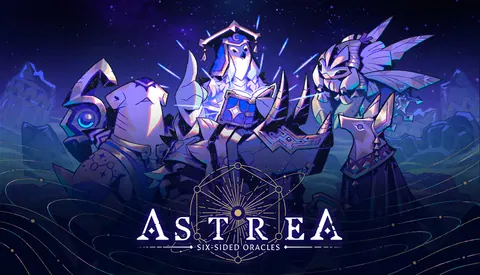
Astrea replaces a card deck with a pool of dice and lets you modify die faces. Its two central effects depend on their target: Purification hurts enemies or heals you; Corruption hurts you or heals enemies. Taking Corruption can also enable abilities attached to your health bar, which makes the downside part of a wider decision.
Choose it if adapting the pool itself sounds more appealing than only allocating a finished roll. Before buying, watch how a player handles an undesirable face and recovers from its cost. The attraction is planning around risk; it is a poor match if you want every beneficial-looking action to have a simple, safe interpretation.
Use one battle to narrow the choice
Start with equipment allocation, party coordination or dice-pool construction. Then check whether you enjoy the ordinary decisions before the spectacular combo arrives. A useful first purchase is the game whose imperfect turns you want to understand, not merely the one whose best roll looks impressive.
Frequently asked questions
Are these all card deckbuilders with dice artwork?
No. Dicey Dungeons uses equipment activated by dice, Slice & Dice centers on heroes with individual dice, and Astrea explicitly builds a dice pool. Familiar roguelike rewards do not make their turn-by-turn choices identical.
Which one is easiest for a beginner?
We do not have a standardized difficulty comparison. Start with the task you find easiest to read: allocating numbers, coordinating a party or interpreting a pool of effects. Check a normal early battle rather than judge difficulty by the art style or a late-game highlight.
Sources and scope
Based on the sources below, checked on the dates shown; recommendations about fit are editorial judgments, not a hands-on play report or a difficulty measurement. This guide covers the named games, not their sequels. See each game page for review evidence.