FTL vs Convoy: ship systems or vehicle positioning?
Choose FTL if you want to coordinate a crew, power and weapons inside one ship. Choose Convoy if directing armed escorts around a moving battlefield sounds more appealing. Both mix tactical combat with uncertain encounters, but their shared inspiration hides very different tasks. This comparison covers the PC games, including FTL’s bundled Advanced Edition, without mods or console-specific claims.
What will you check when you press pause?
In FTL, pausing gives you time to issue crew orders, redistribute power and select weapon targets. The interesting question is how those choices support each other. A weapon purchase is only part of a plan if the ship can power and support it; focusing on one panel can leave another problem unattended.
Convoy also allows pausing, but escort placement matters directly: range, obstructions and approaching road hazards influence which vehicle can attack safely. Moving toward a target can create another exposure. Our dividing line is the information you enjoy reading: the state of interconnected systems, or positions that keep changing around a convoy.
Exploration and losses still shape the next fight
FTL generates encounters and choices across a changing galaxy. Losing the run means losing that ship and crew; unlocking another starting ship does not restore the failed expedition. It suits players who want to revise a plan around what a run offers, provided repeating the early learning process remains interesting.
Convoy sends you across a wasteland to gather parts for a broken spaceship. Radio signals lead to events and choices, while vehicles can gain new equipment and abilities. Destroyed units are lost, and the competing factions grow stronger. Treat exploration as a decision with costs, rather than assuming a land map lets you prepare indefinitely without pressure.
Check the language barrier before the theme
Convoy’s PC Steam language table lists English only when checked for this guide. Its text encounters are part of making decisions, so assess your comfort reading them as well as watching the combat. Our translated guide does not establish that the game has the same language support.
FTL’s Steam page lists multiple languages and includes Advanced Edition at no additional purchase. Check the current store table for your language and the requirements for your own device. This comparison does not rate controller support, console ports or performance from PC screenshots; prices and discounts are left to the storefront.
Choose by what you enjoy
FTL
For players who enjoy coordinating several ship systems

An illustrative buying test: watch a fight after the ship takes damage. Are you curious about which crew orders, power changes and weapon targets could stabilise it? If you want to inspect the connections and then try a different sequence, FTL offers the sort of problem you are looking for.
If keeping several panels in mind already feels tiring, the ability to pause may not remove that friction. Pausing creates thinking time; it does not decide priorities for you. Choose it for the coordination itself, rather than expecting a space setting to mean hands-off fleet battles.
Convoy
For players who want escort movement and weapon placement
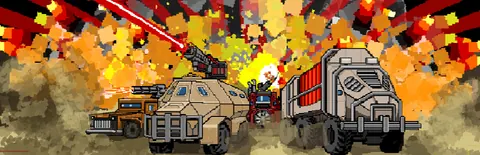
In Convoy, test your interest by watching an escort approach a target while an obstacle enters the fight. Would you enjoy checking its route and firing position, then coordinating it with the other vehicles? This is a useful preview of the attention the game asks for, without requiring a particular starting loadout.
Better weapons do not by themselves solve a blocked shot or dangerous position. If continually revising formations sounds satisfying, the vehicle combat is a reason to choose Convoy. If you mainly want FTL’s interior crew decisions, moving the setting onto a road will not reproduce that attraction.
Choose the problem you want to solve again
Watch a difficult combat sequence in each game, including pauses and recovery attempts. Pick FTL if the ship’s internal priorities hold your attention; pick Convoy if escort placement does. Neither choice needs a claim that one game is universally deeper or easier.
Official store descriptions establish the core loops and purchase scope. The linked HonestGamers player analysis supplements Convoy’s pause, range and obstacle details. The selection exercises here are editorial suggestions, not a report of personal play sessions or a new score.
Frequently asked questions
Are FTL and Convoy turn-based?
No. Both use real-time combat with pausing. You can stop to think and issue orders, but actions resume together when play continues. A visible grid or frequent pausing does not turn Convoy into alternating turns.
Is Convoy a simpler introduction to FTL?
It shifts the demands rather than providing a straightforward training course. FTL emphasises coordination inside a ship; Convoy asks you to manage vehicle positions. Choose by that preference instead of treating either game’s difficulty label as a shared measurement.
Sources and scope
Based on the sources below, checked on the dates shown; recommendations about fit are editorial judgments, not a hands-on play report or a difficulty measurement. This guide covers the named games, not their sequels. See each game page for review evidence.