Pachinko roguelikes: aim in Peglin or build a board in Ballionaire?
For a ball-bouncing roguelike, start with the decision you want to make repeatedly. Peglin suits players who want to aim a shot that helps win a fight. Ballionaire suits those who would rather arrange a board and watch its effects interact. Both reward planning around uncertain bounces. These recommendations concern the core PC games; they are choices by playstyle, not a ranking of luck or difficulty.
Where do you want to intervene?
In Peglin, the board turns a launched orb into an attack. In Ballionaire, you build up the board itself with triggers that earn money or set off further effects. The shared pleasure is watching a ball bounce; the recurring question is different: where should this shot go, or where should this new piece belong?
Think about which disappointing outcome would make you curious enough to try again. Would you want another angle and a different orb, or another arrangement of interacting pieces? That preference is a useful buying signal. Neither game promises that a good idea will produce the same result on every drop.
Watch one ordinary shot and the decision after it
Skip the record-breaking combo initially. In Peglin footage, find a board with missing pegs and watch whether the player aims for damage, a critical hit or a refresh. In Ballionaire, follow a newly placed trigger and see whether balls actually reach it. You are checking whether the preparation interests you as much as the payoff.
Then watch a weak result. Could you explain a change worth trying next time? A missed route, an effect that lacks support and a misunderstood activation condition are different problems. This is a viewing exercise, not a guarantee that every failure is preventable.
Choose by what you enjoy
| Game | Choose it for | Consider before choosing |
|---|---|---|
| Peglin | For choosing orbs and aiming through a combat board | A sensible target still leaves uncertainty after the bounce |
| Ballionaire | For arranging triggers into a scoring engine | An impressive effect needs a layout that can activate it |
Peglin
For choosing orbs and aiming through a combat board
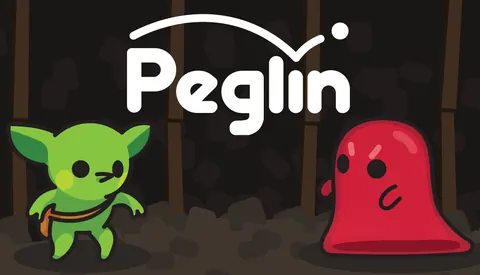
Peglin combines orb upgrades and relics with turn-based battles. Peg hits build damage, while critical pegs, refreshes and bombs give a shot different possible jobs. The attraction is connecting a local aiming decision with the resources you have collected for the run.
Choose it if you like asking what the next shot needs to accomplish. A refresh may matter because of the board it leaves for later; a large immediate number is not the only thing to inspect. You need to accept imperfect trajectories and learn how your orbs and relics change the situation.
Ballionaire
For arranging triggers into a scoring engine
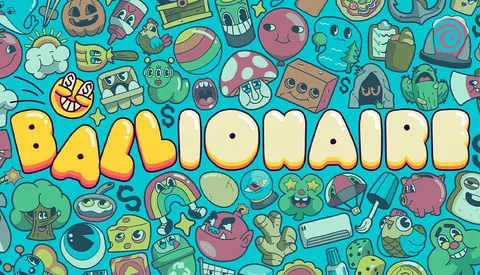
Ballionaire asks you to place triggers, develop interactions and earn enough money to meet tribute demands. Different boards change the space available for those plans. Its Laballatory sandbox also offers a place to experiment with arrangements outside the usual run.
Choose it if the appealing part is designing a system and watching it work. Before picking a piece, ask what can reach it and what it might enable afterward. The trade-off is reading effect conditions and accepting drops that do not follow the path you hoped for. A spectacular combo clip hides that preparation.
Choose the decision you want to repeat
Pick Peglin for combat aiming supported by a growing orb collection, or Ballionaire for building the board that produces the result. If watching a bounce resolve feels like waiting rather than suspense, watch several ordinary turns before choosing either.
Frequently asked questions
Are these traditional pinball games?
Their central loops are aiming through a pegboard and building a pachinko-style scoring layout. Ballionaire includes different board styles, but neither recommendation assumes you want the repeated flipper timing of a traditional pinball table.
Is success purely down to luck?
You can influence outcomes through aiming, upgrades or placement, depending on the game. That influence does not give complete control over every bounce. Consider whether improving a plan despite uncertain results is enjoyable to you.
Sources and scope
Based on the sources below, checked on the dates shown; recommendations about fit are editorial judgments, not a hands-on play report or a difficulty measurement. This guide covers the named games, not their sequels. See each game page for review evidence.