 Game file / ROGUE BY ROGUE
Inscryption
Inscryption is an inky black card-based odyssey that blends the deckbuilding roguelike, escape-room style puzzles, and psychological horror into a blood-laced smoothie. Darker still are the secrets inscrybed upon the cards...
Why this score?
Original text · Simplified Chinese
献祭卡牌与密室探索结合突出,主线首玩很强;按 Roguelike 标准,长期变化主要依靠 Kaycee 模式。
Core gameplay
Weight 25%8.5 / 10Original text · Simplified Chinese
献祭出牌、天平伤害与密室谜题相互穿插,决策有鲜明张力;后续章节回溯会拖慢节奏。
Builds & strategy
Weight 25%8.0 / 10Original text · Simplified Chinese
血量祭品、骨头和印记组合提供卡位与资源取舍;快照也指出部分章节容易被固定解法化简。
Replayability
Weight 20%7.0 / 10Original text · Simplified Chinese
Kaycee 模式提供可重复挑战,但主线大量价值来自首次发现,重玩变化不等同于剧情惊喜。
Randomness & fairness
Weight 20%7.5 / 10Original text · Simplified Chinese
通过行动逐步教学有利于理解规则;章节切换时规则解释不足,后段较低失败代价又削弱风险判断。
Polish & usability
Weight 10%8.0 / 10Original text · Simplified Chinese
声音与画面清楚建立桌面对战氛围,教学较自然;后续机制密集引入和来回移动增加操作负担。
- Reviewer
Original text · Simplified Chinese
Rogue by Rogue · AI 资料评测- Version reviewed
Original text · Simplified Chinese
具体构建未知;以所引资料描述的版本为准
Scope and limitations
Original text · Simplified Chinese
基于收录资料与官方页面的主观归纳,未进行试玩。同时覆盖主线与 Kaycee 模式,二者重玩结构不同;未把叙事口碑直接换算成玩法分数。
Review sources 02
- 01Archived materialView archived external material ↓
Original text · Simplified Chinese
收录评论与社区资料(2026-10-01 快照)
使用 作者观点摘要 的 Tier list Part 1 (2023) 及 玩家好评与批评 中的机制、交互、重复与易用性反馈;未将外部分数或旧等级用于计算。
- 02Web sourceView original ↗
Original text · Simplified Chinese
Inscryption 官方产品说明
2026-10-08 访问。确认官方定位为卡组构筑、密室谜题与心理恐怖结合;Kaycee 模式反馈来自项目快照。 官方页面不单独证明平衡或稳定性。
Video reviews
Reviews and deep dives from YouTube and Bilibili, in every language. Open the original video to watch.
Other voices, for reference.
Archived third-party reviews and community material may refer to different versions. External opinions and ratings are presented separately; consult the original videos for their full context.
Community discussion
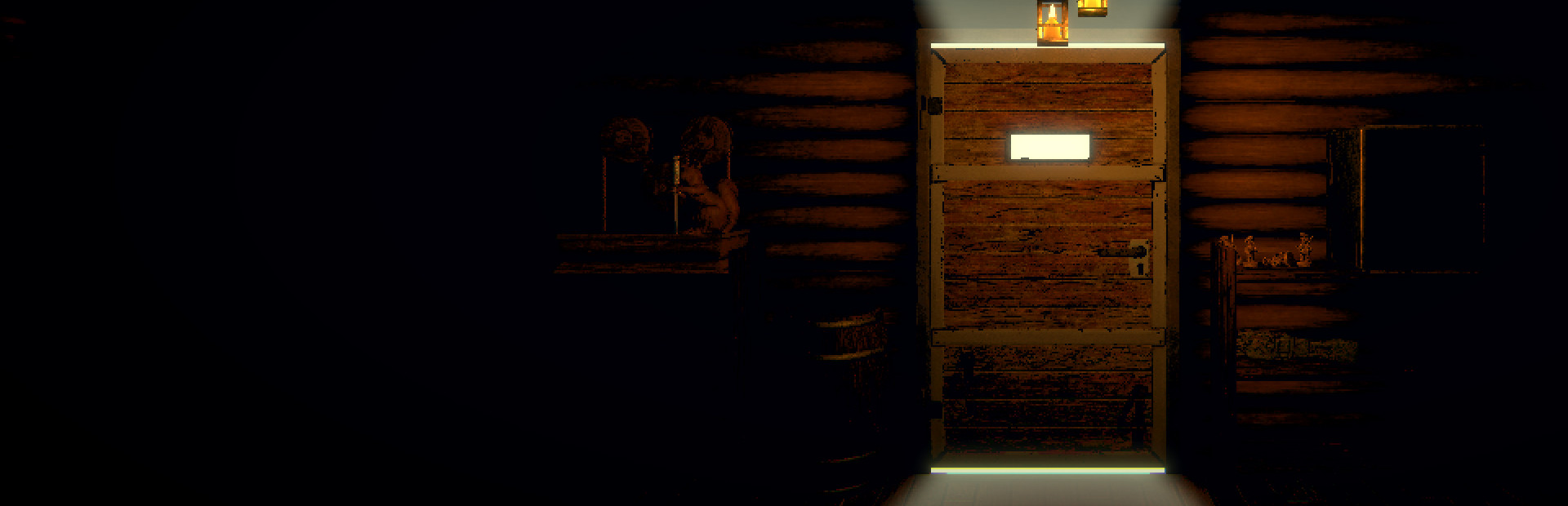
A deckbuilding roguelike from Daniel Mullins Games (published by Devolver Digital) that starts as a sacrifice-based card battler in a creepy cabin and keeps changing genre, blending escape-room puzzles, psychological horror and a meta-narrative across three acts.
Inscryption is one of the best-reviewed indie games of 2021: Steam shows Overwhelmingly Positive (about 96.8% of roughly 149k reviews), Metacritic critics score it 85 with users at 8.5, and it swept major awards (GDC Game of the Year and the IGF Seumas McNally Grand Prize, a first for both). Praise centres on atmosphere, the blood/bones sacrifice card system, inventive puzzles and a story that constantly subverts expectations. The consistent dissent is that Act 1 is the peak: Acts 2 and 3 and the ARG-style meta-story are seen by a minority as a pacing drop, a bait-and-switch from the store page, or repetitive. It is a finished game (not early access); the free Kaycee's Mod (Mar 2022) added an endless roguelike mode, and it later shipped on Mac/Linux and consoles. Most players urge going in blind.
What players praise
- Act 1 atmosphere: the dark cabin, Leshy as a menacing card-game opponent, sound design and art style are repeatedly called one of a kind
- Constant surprise: the game shifts genre, rules and format, and players say it is far more than the store page suggests
- Sacrifice card system (blood, bones, scales) and sigils: easy to learn but with depth; the scale/tug-of-war damage mechanic was singled out by critics
- Escape-room style puzzles and hidden secrets woven into the deckbuilding, with a stupid amount of detail according to players
- Fourth-wall-breaking, meta storytelling and memorable characters (the four Scrybes); the ending handshake sequence is a fan favourite
- Replay value: Kaycee's Mod gives an endless roguelike mode, plus challenges, achievements and ARG content; some players report hundreds of hours
- Soundtrack and visual design: a twisted take on 90s floppy-disc adventure aesthetics (Eurogamer) and a well-loved OST
- Teaches mechanics through play rather than tutorials, making it approachable even for people who dislike deckbuilders
What players criticize
- Many say the game peaks in Act 1; Act 2 (8-bit 2D) and Act 3 (sci-fi factory with P03) lose the horror tension and charm
- Store page, trailer and demo show only Act 1, which a number of negative reviewers call a bait-and-switch
- The meta-narrative / ARG (Karnoffel code, live-action video footage, real-world references) is called convoluted, hard to take seriously or not worth the time
- Act 3 is seen by some as repetitive: map backtracking, many similar fights, and little downside to dying or save-scumming
- Acts 2 and 3 are felt to have low stakes since the game is linear and failure barely sets you back, unlike Act 1
- Tonal and mechanical whiplash: critics like PC Gamer said the eerie delight fades well before the end, and Destructoid said later chapters gripped less than the first
- Overall length and pacing: some find the later parts a test of endurance with too many new mechanics introduced at once
- The ending and overall story payoff disappoint some players: they expected branching outcomes or a stronger conclusion and felt the story was told shallowly or through a forgettable live-action framing
Distinctive features
- A deckbuilder wrapped in a horror escape room: you get up from the table, inspect the cabin and solve puzzles that change your cards and rules
- Sacrifice-based costs (blood, bones, energy, gems) on a lane-based board with a scale for damage instead of player health
- Each act is effectively a different game with a different look and card economy, all framed by a fictional 'game within a game' mystery
- Meta-narrative that reaches outside the game (file manipulation, live-action footage, ARG codes, callbacks to Mullins' earlier games)
- Grew from a Ludum Dare 43 prototype (Sacrifices Must Be Made) and won both GDC Game of the Year and the IGF Grand Prize, a first
Divided opinions
- The meta-story and ARG: fans call it brilliant and the reason to play; detractors call it a pretentious or creepypasta-like grab bag that hurts the game
- Act 2: some love the puzzles and music, others call it the slog that kills the horror pacing
- Whether Inscryption is a roguelike at all beyond Act 1 and Kaycee's Mod, versus a narrative puzzle game that uses deckbuilding
- Replay value: Act 1 and Kaycee's Mod support replay, but the main story is linear and many consider it a one-time experience best played blind
Repetition and friction
- Act 3's travel-fight-upgrade loop over a map, with back and forth between areas and many similar battles
- Act 2 mechanics that feel underexplained or exploitable, leading some to ignore the puzzle of deck building
- Decoding the ARG and Karnoffel code to understand the full story, which some find exhausting or unnecessary
Hoped-for improvements
- Make Act 1 (the most loved part) longer or offer more content in that format, or a stand-alone mode built around it (Kaycee's Mod was the partial answer)
- Fully fleshed-out worlds and playable stories for Magnificus and Grimora, which fans say feel underdeveloped compared with Leshy and P03
- Make Acts 2 and 3 carry real consequences for failure, and trim repetitive map traversal and filler fights in Act 3
- Market the game more accurately, since store screenshots and trailers only show Act 1
- Clearer or more optional delivery of the lore; some reviewers wanted the story told more directly rather than through ARG-style puzzles
- Allow more player agency or alternate endings; some players expected branching outcomes that do not exist
Launched Oct 19, 2021 on Windows to strong reviews; Metacritic critic score 85 (49 critic reviews on the PC page; 1,107 user ratings) and user score 8.5. Won the GDC Game of the Year and IGF Seumas McNally Grand Prize (2022), plus a BAFTA for game design and many best-of-2021 lists. Wikipedia reports over 1 million copies sold by January 2022; a third-party Boxleiter-method estimate puts Steam owners at 2-5 million and gross revenue around 118M USD, which is an order-of-magnitude guess and not audited. Free Kaycee's Mod launched Mar 17, 2022. Platform releases: Linux/macOS Jun 2022, PS4/PS5 Aug 2022, Switch Dec 2022, Xbox Apr 2023. Not early access; no notable abandonment or controversy found. OpenCritic score could not be retrieved (the direct page and API were unavailable) so it is left null. Web search quota was exhausted, so community themes draw mainly on Steam reviews plus Metacritic and Wikipedia.
Community sources
- Local file of top helpful positive and negative English Steam reviews for Inscryption ↗
- Local Steam data: appid 1092790, review counts, Metacritic 85, tags, owner estimate ↗
- Steam store page (developer, publisher, price, release date, review summary) ↗
- Metascore 85, user score 8.5, critic consensus and quotes from PC Gamer and Hey Poor Player ↗
- User score page confirming 8.5 ↗
- Reception, awards, 1M sales by Jan 2022, Kaycee's Mod date, platform release dates, development origins ↗
- Third-party Boxleiter-method revenue estimate (about 118.6M gross), treated as rough ↗
- Official game website ↗
Archived creator commentary 1
Third-party summaries based on automatic captions may contain transcription or interpretation errors.
Tier list Part 1 (2023)
Inscryption is a story-driven deck-building roguelike from the creator of Pony Island. He treats it as the biggest campaign-style game on the list, something to experience once, and he avoids spoilers. He thinks the story, puzzles and exploration are superb and calls the game a masterpiece even though the card gameplay is its weakest part. He places it in S tier, close to Enter the Gungeon.
What the creator praises
- Story and plot twists are absolutely amazing
- Unusual mix of elements that combine very well
- Puzzle elements and exploration with secrets to uncover
- Works even for people who are not deck-building fans
- Memorable one-time adventure that blew his mind
Issues raised by the creator
- Card gameplay is the weakest part of the game
- Very easy to break
- Not very well balanced, though he says it is not meant to be
Design observations
- The most story-heavy campaign game on his list, hard to discuss without spoilers
- A deck-builder that does not require deck-building expertise to enjoy
- Mixes deck building, puzzles, exploration and narrative reveals
- Designed to be played once, not replayed for hundreds of hours