 Fiche du jeu / ROGUE BY ROGUE
Rogue Legacy
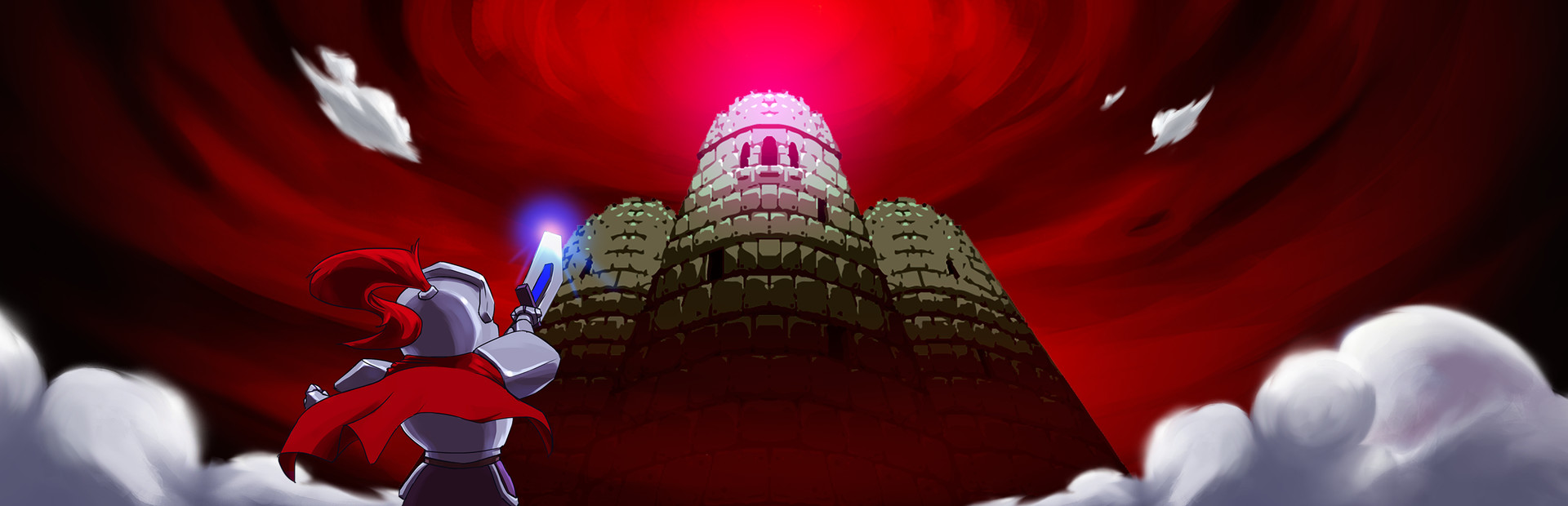
Texte original · AnglaisRogue Legacy is a genealogical rogue-"LITE" where anyone can be a hero. Each time you die, your child will succeed you. Every child is unique. One child might be colorblind, another might be a dwarf with vertigo. But that's OK, because no one is perfect, and you don't have to be to succeed.
Notre note
Classé après évaluation des cinq critères
Jeu répertorié. Évaluation à venir.
Ce jeu n’a pas encore été évalué selon nos cinq critères. Consultez ses informations et les documents externes en attendant.
Critiques vidéo
Critiques et analyses sur YouTube et Bilibili, dans toutes les langues. Ouvrez la vidéo originale pour la regarder.
D’autres voix, à titre indicatif.
Les critiques tierces et documents communautaires archivés peuvent concerner différentes versions. Les avis et notes externes sont présentés séparément. Consultez les vidéos originales pour leur contexte complet.
Synthèse des discussions
Texte original · AnglaisA 2013 side-scrolling action-platformer rogue-lite from Cellar Door Games where each death passes the castle to a randomly generated heir with quirky traits, while gold spent between runs permanently upgrades the family.
Texte original · AnglaisRogue Legacy is received as a genre-defining, highly addictive early rogue-lite. Critics scored it in the mid-80s (Metacritic 85 from 43 reviews, with 9/10 from IGN and Polygon), and Steam players rate it Very Positive at about 92% of roughly 18.9k reviews. Praise centres on the heir/trait system, the permanent progression that softens permadeath, and the 'one more run' loop. Modern players are more split: many call it dated, grindy and clunky next to newer roguelite-metroidvanias, and often point to Rogue Legacy 2 as the better version. It is a finished, fully released game (Steam 2013, later ported to consoles, Switch in 2018, iOS in 2019), not early access.
Ce que les joueurs apprécient
- Texte original · AnglaisThe heir system: each death gives a choice of three randomly generated children with different classes, spells and traits, which turns failure into a comic, varied start to every run.
- Texte original · AnglaisPermanent progression softens permadeath: gold spent in the manor upgrades stats and unlocks gear and runes, so even failed runs feel productive.
- Texte original · AnglaisA highly addictive 'explore, fight, upgrade, repeat' loop with short runs (20-30 minutes) that suits casual sessions.
- Texte original · AnglaisBosses stay defeated and their castle locations are fixed, so progress is permanent (one Steam reviewer who dislikes roguelites called this the deciding factor).
- Texte original · AnglaisHumor and charm: quirky traits, jokes and a colourful retro art style give the game personality.
- Texte original · AnglaisSmooth retro combat and a trait system regarded by some players as one of the best in the genre.
- Texte original · AnglaisPlenty of content, including New Game+ with escalating difficulty, and a 100% completion goal.
- Texte original · AnglaisCritics gave it near-unanimous praise (42 of 43 Metacritic reviews positive), and it is remembered by players as a modern classic that helped start the roguelite craze.
Ce que les joueurs critiquent
- Texte original · AnglaisControls and movement feel loose or clunky to some players, described as sliding on ice, while the game expects precision against many projectiles.
- Texte original · AnglaisRepetitive content: room layouts and enemies recur, and critics and players say many enemies are reskins or upgraded variants of a small set.
- Texte original · AnglaisUpgrade costs climb steeply, so a lot of gold farming is needed to keep up with enemy scaling.
- Texte original · AnglaisDifficulty comes more from enemy quantity and cheap room setups (being swarmed in the first room, awkward platforms) than from smart level design.
- Texte original · AnglaisSome traits are poorly explained or are just visual effects with little gameplay impact, and classes can feel negligible in practice.
- Texte original · AnglaisThe randomness does not always synergize with the platforming, which can produce unfair runs.
- Texte original · AnglaisAged mechanics: players compare it unfavorably with the many modern indie metroidvanias and with the sequel.
- Texte original · AnglaisMany reviewers say the sequel, Rogue Legacy 2, improves on the original so much that the first game feels hard to go back to.
Caractéristiques distinctives
- Texte original · AnglaisThe genealogical premise: you play a family dynasty, and every heir has randomized traits such as colour-blindness, ADHD, vertigo or dwarfism that change play.
- Texte original · AnglaisGold does not carry over unspent: it is lost on entering the castle, so every run opens with a spending decision at the manor (the game's signature loop, sometimes criticised as a lock-in).
- Texte original · AnglaisThe architect can lock the castle layout and bosses have fixed locations, giving rogue-lite procedural rooms with metroidvania-style permanent boss progress.
- Texte original · AnglaisDark Souls and Spelunky-inspired design goals but with 'forgiving and accessible' persistent progression, which made it a template for later rogue-lites.
- Texte original · AnglaisNew Game+ scaling and a humorous tone set it apart from grimmer roguelikes.
Points qui divisent
- Texte original · AnglaisGrind: some see the gold/upgrade treadmill as central and rewarding, others see it as a time sink.
- Texte original · AnglaisControls: Steam reviewers disagree, with some calling them very tight and others calling them floaty or clunky.
- Texte original · AnglaisDifficulty: critics said it rides the line between frustrating and fun, and its difficulty may put off less patient players.
- Texte original · AnglaisWorth playing today: some say it still holds up, others recommend skipping it in favour of Rogue Legacy 2 unless on sale.
Répétition et contraintes
- Texte original · AnglaisGold grinding: farming money run after run for increasingly expensive upgrades, especially when stuck on a boss.
- Texte original · AnglaisUnspent gold being lost each run annoys some players who do not want to be forced to spend it.
- Texte original · AnglaisRepetitive rooms and enemies after many hours.
- Texte original · AnglaisHaving to play an unwanted class or heir when the three options offered are not appealing.
- Texte original · AnglaisClunky controls, particularly keyboard and mouse default bindings, where controller is advised.
- Texte original · AnglaisHarsh, unwelcoming onboarding for newcomers, with a few players also citing projectiles or enemies passing through walls and unreliable downward-thrust attacks.
- Texte original · AnglaisNo way to reset upgrades, and enemy scaling makes the grind feel mandatory rather than optional.
Améliorations espérées
- Texte original · AnglaisTighter, more responsive movement and platforming control (a recurring complaint from critics and players).
- Texte original · AnglaisMore enemy variety and less reliance on reskinned foes.
- Texte original · AnglaisBetter explanation of what traits do, and more traits and classes that change how the game plays.
- Texte original · AnglaisA way to respec or reset upgrades to try different builds (a Steam reviewer specifically asked for this).
- Texte original · AnglaisA gentler or less grind-heavy upgrade cost curve and more meaningful upgrades than raising attack or health.
- Texte original · AnglaisA modern refresh: several players say the sequel already delivers this and that the first game deserves a proper revisit.
Texte original · AnglaisLaunched June 27, 2013 on Windows and sold over 100,000 copies in its first week per Wikipedia; development reportedly cost about $15,000 and was recouped within an hour of launch. A third-party estimate puts lifetime Steam gross revenue around $11.5M (Boxleiter-method estimate, order-of-magnitude only) and Steam owners at 200k-500k by SteamSpy. It won PAX 10 and IndieCade finalist recognition and placed on several 2013 best-of lists. Ports followed: Linux/Mac Oct 2013, PlayStation platforms July 2014, Xbox One 2015, Switch 2018, iOS 2019. Rogue Legacy 2 released April 28, 2022 and is generally viewed as the improved successor. Note: OpenCritic could not be retrieved, and the session's web search budget was exhausted, so community detail comes mainly from Steam reviews plus fetched pages; the Steam storefront page showed a slightly lower 91% of about 10k reviews, likely a locale/language filter difference.
Sources communautaires
- Texte original · AnglaisTop helpful positive and negative English Steam reviews (local file) ↗
- Texte original · AnglaisSteam app data: 85 Metacritic, 92.3% positive of 18,856 reviews, SteamSpy owners, revenue estimate ↗
- Texte original · AnglaisMetascore 85 from 43 critics; user score 7.8 from 815 ratings; critic praise and complaints ↗
- Texte original · AnglaisGameplay, development, platform scores, sales, release history ↗
- Texte original · AnglaisSteam store page: review summary, critic quotes and scores, awards ↗
- Texte original · AnglaisTop-rated Steam community reviews: themes on grind, repetition, controls ↗
- Texte original · AnglaisEstimated gross and net Steam revenue (Boxleiter method) ↗
- Texte original · AnglaisAttempted; OpenCritic data could not be retrieved, score left null ↗
Commentaires archivés du créateur 1
Ces synthèses tierces reposent sur des sous-titres automatiques et peuvent contenir des erreurs de transcription ou d’interprétation.
Texte original · AnglaisTier list Part 1 (2023)
Texte original · AnglaisRogue Legacy (2013) is a classic 2D action-platformer roguelite where each death hands you a new heir with random quirks, and the castle is gradually explored and upgraded. He completed it long ago, including secret and hard-mode bosses, and had a blast then. On a recent replay he felt it has not aged well and the combat is clunky. He credits it for helping revive the roguelike genre, but rates it C because better games exist today.
Ce que le créateur apprécie
- Texte original · AnglaisHeir system: each new character has positive or negative quirks, giving a distinctive gimmick
- Texte original · AnglaisDeath leads to a new character and deeper exploration of the castle
- Texte original · AnglaisHistorically important; helped bring roguelikes back
- Texte original · AnglaisHe personally had a blast originally, including secret and hard-mode bosses
Problèmes relevés par le créateur
- Texte original · AnglaisHas not aged super well
- Texte original · AnglaisBattle system feels clunky
- Texte original · AnglaisNothing else very unique since it was one of the first
- Texte original · AnglaisBetter alternatives exist now
Observations sur la conception
- Texte original · AnglaisTrait-laden heirs replace the run-reset with a new character with weird quirks each life
- Texte original · AnglaisPioneer of the genre revival, so its novelty is diluted by later games