Best Roguelike Deckbuilders, Ranked
Start with Slay the Spire for card combat, Monster Train for defending with units, or Cobalt Core for ship positioning. Balatro and Astrea take the build-making appeal into scoring hands and dice. Choose the kind of decision you want, then compare our full reviewed category below.
Find the right fit
These starting points are grouped by what you want to do. They are editorial recommendations based on the linked mechanics; the full score ranking follows below.
For card combat and route choices
Slay the Spire
A useful starting point when you want to learn what you enjoy about deckbuilding.
Your cards, relics and route develop together. Look here for the relationship between choices made along the journey and what your hand can achieve in the next encounter.
The trade-off For unit placement as well as card play, compare Monster Train; for ship movement, compare Cobalt Core.
For units, upgrades and three defensive floors
Monster Train
Choose this when building a formation sounds as interesting as building a deck.
Combine two clans, recruit units and improve cards while defending a train. Where a unit goes matters alongside which card you play.
The trade-off The extra battlefields create more to keep track of. This is a change in the combat problem, not simply more cards for the same game.
For dodging with your deck
Cobalt Core
Choose this when you want spatial decisions without a large tactical grid.
Movement cards can take your ship out of danger while changing where its guns aim. Crew selection combines three characters’ cards into the tools you bring along.
The trade-off The single-axis battlefield is central to the appeal; readers who only want to optimize card combinations may prefer Slay the Spire.
For hand scoring and Joker combinations
Balatro
Choose this if you want to build a scoring engine rather than fight creatures.
Recognizable poker hands meet rule-changing Jokers. The comparison with combat deckbuilders is about assembling interactions, not sharing the same battle system.
The trade-off A card theme alone does not make it a substitute for Slay the Spire. Decide whether scoring or combat is the part you want.
For building the odds with dice
Astrea: Six-Sided Oracles
Choose this if you want to manage the risk inside the tools you collect.
Build a dice pool, alter faces, and work with purification and corruption. Safer dice and riskier dice create a different kind of preparation from selecting conventional cards.
The trade-off Expect to learn its dual damage rules and manage rolls. Choose a card entry above if that additional uncertainty is not what you are looking for.
Reviewed games, ranked
Only published, complete five-dimension reviews qualify. Scores and global ranks come directly from the full rankings; equal displayed scores retain their shared rank. These are site scores out of 100, not user votes or similarity scores.
| Game | Global rank | Score / 100 | Playstyle |
|---|---|---|---|
 Slay the SpireReview & evidence ↗ | #1 | 90.3 | DeckbuilderTurn-based strategy |
 Monster TrainReview & evidence ↗ | #8 | 85.5 | DeckbuilderTurn-based strategyStrategy & tactics |
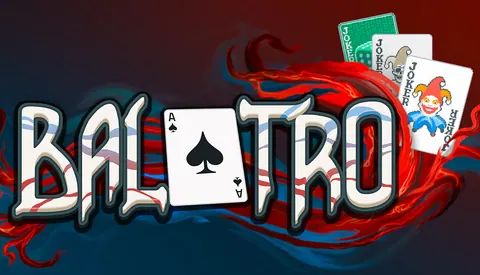 BalatroReview & evidence ↗ | #9 | 85.0 | Dice & chanceDeckbuilderTurn-based strategy |
 Vault of the VoidReview & evidence ↗ | #11 | 83.8 | DeckbuilderTurn-based strategy |
 Monster Train 2Review & evidence ↗ | #14 | 83.3 | DeckbuilderTurn-based strategyStrategy & tacticsCo-op adventure |
 Cobalt CoreReview & evidence ↗ | #16 | 83.0 | DeckbuilderTurn-based strategyStrategy & tactics |
 Slay the Spire 2Review & evidence ↗ | #18 | 81.8 | DeckbuilderTurn-based strategyCo-op adventure |
 DiceomancerReview & evidence ↗ | #32 | 79.3 | DeckbuilderTurn-based strategyDice & chance |
 Astrea: Six-Sided OraclesReview & evidence ↗ | #33 | 79.0 | DeckbuilderTurn-based strategyDice & chance |
 WildfrostReview & evidence ↗ | #33 | 79.0 | DeckbuilderTurn-based strategyStrategy & tactics |
 Alina of the ArenaReview & evidence ↗ | #36 | 78.3 | DeckbuilderTurn-based strategyStrategy & tactics |
 InscryptionReview & evidence ↗ | #36 | 78.3 | DeckbuilderTurn-based strategyStrategy & tactics |
 Across the ObeliskReview & evidence ↗ | #41 | 77.3 | DeckbuilderTurn-based strategyStrategy & tacticsCo-op adventure |
 PeglinReview & evidence ↗ | #48 | 76.5 | Dice & chanceTurn-based strategyDeckbuilder |
 Drop DuchyReview & evidence ↗ | #50 | 76.3 | Strategy & tacticsDeckbuilder |
 DecktamerReview & evidence ↗ | #54 | 76.0 | DeckbuilderTurn-based strategyStrategy & tactics |
 He is ComingReview & evidence ↗ | #58 | 75.5 | DeckbuilderStrategy & tactics |
 RoguebookReview & evidence ↗ | #61 | 74.8 | DeckbuilderTurn-based strategy |
 Cubic CosmosReview & evidence ↗ | #71 | 73.8 | DeckbuilderTurn-based strategyStrategy & tactics |
 ArcaniumReview & evidence ↗ | #77 | 71.8 | DeckbuilderTurn-based strategyStrategy & tactics |
 Sol CestoReview & evidence ↗ | #85 | 63.3 | DeckbuilderTurn-based strategyStrategy & tactics |
Cards can solve very different problems
Slay the Spire combines a deck assembled during a run with encounters and relics. Monster Train brings deckbuilding to multiple vertical battlegrounds. Cobalt Core adds ship positioning on a single axis, and Alina of the Arena connects cards to movement on a hex grid.
Balatro uses poker hands and Jokers rather than the same combat structure. Astrea substitutes dice for cards. If what you enjoy is assembling interactions, these are relevant neighbors; if you specifically want Slay the Spire-style combat, start with its comparison guide.
Choose the uncertainty you want to manage
Drawing a hand, rolling dice and placing units give you different problems to solve. A familiar card-game theme is a useful entry point, but it does not tell you whether you will enjoy the decisions underneath it. Compare the combat structure before comparing the size of a card pool.
The full ranking below the picks uses the same five dimensions as the rest of the site. Open the review to see its reasoning and limitations, especially if build variety or fairness matters more to you than the overall score.
Frequently asked questions
Does this include dice builders?
Yes, when our catalog also tags them as deckbuilders and they have a complete published review. Astrea is one example: it builds a dice pool rather than a conventional card deck.
Which list should a Balatro fan use?
Start with Games Like Balatro for alternatives selected around changing odds and combinations. That guide explains where the resemblance ends, instead of treating every card game as the same experience.
How are these games scored?
Core gameplay and builds each carry 25%; replayability and randomness/fairness each carry 20%; polish carries 10%. Only complete published reviews enter the rankings. The initial ratings use AI-assisted source research, not hands-on playtesting, and external review scores are kept separate.
Sources and scope
Game mechanics are paraphrased from publisher descriptions. Recommendations about fit are our interpretation. Scores and review evidence are linked separately in the comparison; current availability and features should be checked with the developer.
- Slay the Spire — publisher description ↗
- Monster Train — publisher description ↗
- Balatro — publisher description ↗
- Vault of the Void — publisher description ↗
- Cobalt Core — publisher description ↗
- Diceomancer — publisher description ↗
- Astrea: Six-Sided Oracles — publisher description ↗
- Wildfrost — publisher description ↗
- Alina of the Arena — publisher description ↗
- Peglin — publisher description ↗
- Roguebook — publisher description ↗